Understanding the workforce requires looking beyond individual roles and outcomes to examine broader patterns — how people engage with work, how organizations respond to change, and how systems influence behavior over time.

Across industries, there are consistent signals emerging. Expectations around flexibility, transparency, and respect have become central to how work is evaluated. Employees are increasingly attentive not only to compensation, but to how decisions are made, how communication flows, and how value is recognized within organizations. These considerations shape engagement as much as formal job responsibilities do.
Organizations, in turn, are navigating shifting dynamics. Workforce planning now involves balancing operational needs with evolving employee expectations, often within systems originally designed for more stable and predictable environments. As a result, tensions can surface between efficiency and adaptability, structure and responsiveness.
Another notable pattern is the growing visibility of skills that were previously overlooked. Collaboration, problem-solving, adaptability, and contextual knowledge are proving essential across roles, even when they are not formally documented or measured. This has implications for hiring, development, and retention strategies, particularly as teams become more distributed and interdisciplinary.
At the same time, experiences within the workforce remain uneven. Access to opportunity, advancement, and stability varies widely based on role, industry, geography, and background. These disparities are not always visible in aggregate data, but they significantly shape how work is lived and understood.
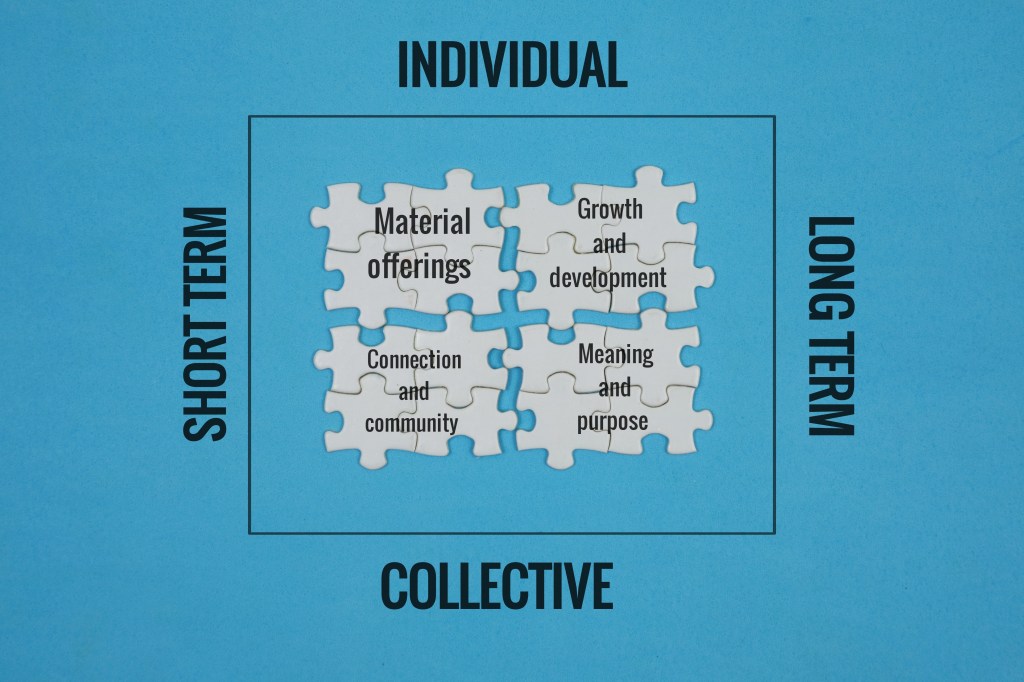
Workforce insights emerge at the intersection of systems and people. They are found in patterns of movement, engagement, and response — not in isolated anecdotes or singular trends. Paying attention to these signals allows organizations and professionals alike to better understand how work is evolving in practice.
This Chronicle approaches workforce insight as an ongoing observation. By examining patterns thoughtfully and consistently, we aim to contribute to a clearer understanding of the realities shaping work today and the considerations that will influence it moving forward.

— Aecendt Team
The Job Hunt Chronicles