

What Happened
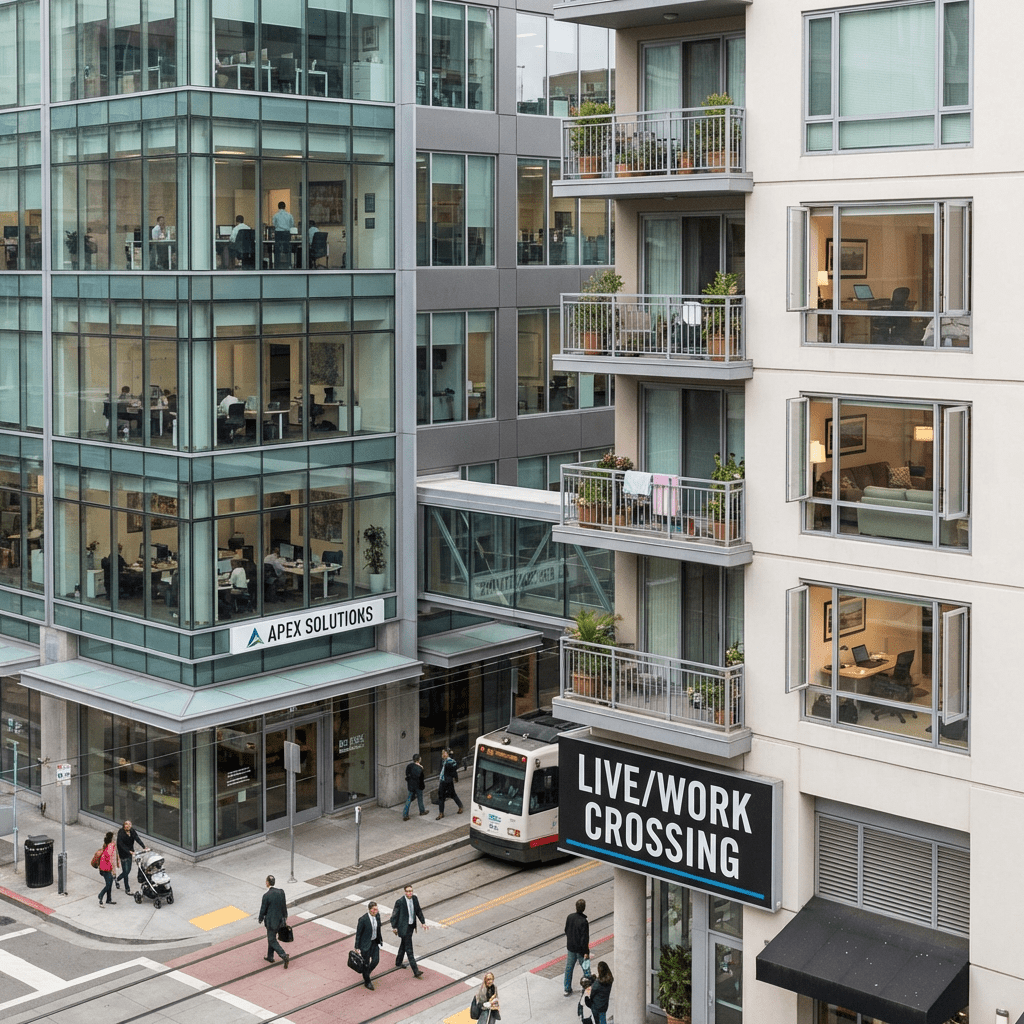
Companies across multiple industries are increasingly turning to contract, freelance, and fractional workers to meet business needs. Instead of committing to full-time hires, many organizations are opting for flexible talent solutions that allow them to scale quickly and manage costs more efficiently.
Why It Matters
This shift reflects a broader transformation in how work is structured. Traditional full-time employment is no longer the only — or even primary — path for many professionals. Businesses are prioritizing agility, while workers are being presented with more diverse earning opportunities.
Who It Impacts
- Job seekers looking for full-time stability
- Professionals open to multiple income streams
- Career changers exploring flexible work options
How to Navigate This Shift
- Think in terms of income streams, not just job titles
One role may no longer define your earning potential — multiple opportunities can. - Package your skills as services
Ask yourself: “What problems can I solve?” — and position your experience accordingly. - Build a simple portfolio or proof of work
Even small projects, past work, or case examples can increase your visibility and credibility. - Start small to build momentum
One contract or freelance project can open the door to repeat work or long-term opportunities. - Stay open to hybrid paths
Full-time + freelance, contract-to-hire, or project-based work can all coexist.
The Job Hunt Chronicles’ Takeaway
The definition of “a job” is expanding. Those who shift their mindset from seeking one opportunity to creating multiple pathways to earn will be better positioned in this evolving workforce.

Clarity in a Changing Job Market
We break down what’s happening in the workforce — so you can move forward with confidence.


Leave a comment