Career paths are no longer defined by a single trajectory. For many professionals today, movement between roles, industries, and ways of working has become a common — and often necessary — part of building a sustainable career.

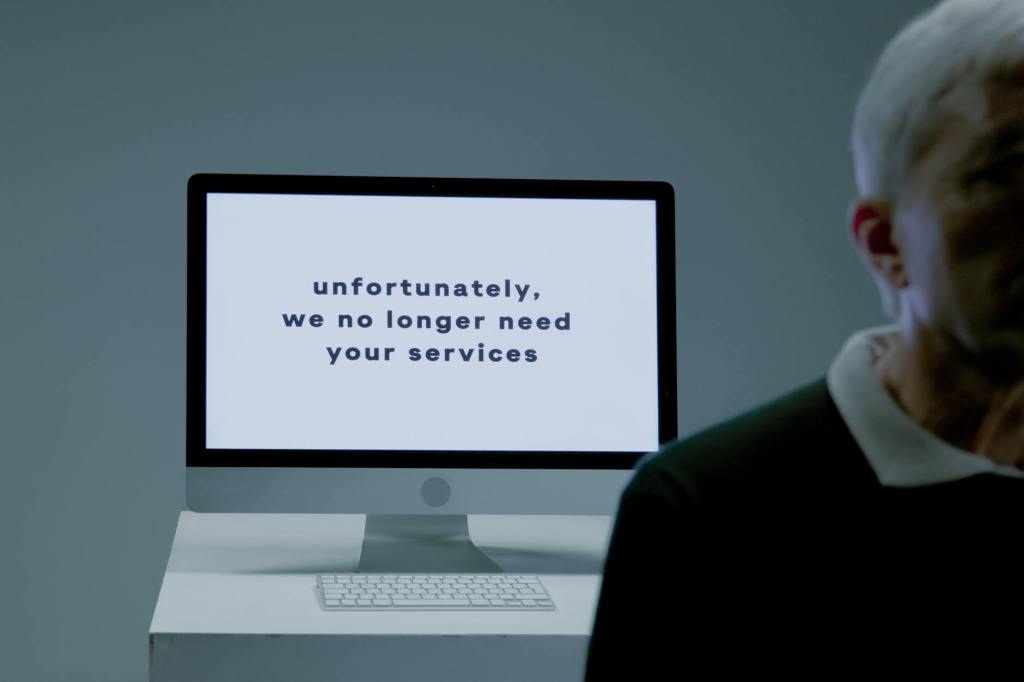
Career transitions take many forms. Some are planned, driven by growth or opportunity. Others are prompted by organizational change, economic shifts, or evolving personal priorities. Regardless of the cause, transitions increasingly reflect broader changes in how work is structured rather than individual readiness or capability.
As roles evolve and industries adapt, the skills required to remain effective are also changing. Professionals may find that experience accumulated in one context does not immediately translate in another, even when underlying capabilities remain strong. This can create moments of uncertainty, particularly in hiring systems that continue to favor linear progression.
At the same time, organizations are navigating transitions of their own. Teams are reorganizing, roles are being redefined, and workforce needs are shifting more frequently. These adjustments can create opportunity, but they can also introduce friction when expectations and evaluation methods lag behind reality.

Understanding career transitions today requires recognizing them as part of a dynamic workforce environment. Movement is not always a signal of instability; in many cases, it reflects adaptability, learning, and responsiveness to change. The challenge lies in how transitions are interpreted — by both individuals and the systems that assess them.

This Chronicle approaches career transitions as a structural feature of modern work, not an exception. By examining patterns, experiences, and outcomes, we aim to provide context that supports more informed conversations about movement, growth, and opportunity.
— Aecendt Team
The Job Hunt Chronicles