

What Happened
Over the years, Elon Musk — CEO of Tesla and other ventures — has repeatedly stated that traditional resumes and even college degrees are not reliable indicators of a candidate’s ability to perform.
In interviews and public statements, Musk has emphasized that he looks for evidence of exceptional ability, problem-solving skills, and real-world experience — rather than credentials or formatted career summaries.
Why It Matters
While this perspective may have once seemed unconventional, it is increasingly aligned with broader workforce trends.
More companies are beginning to question:
- Whether resumes truly reflect capability
- If degrees are the best measure of readiness
- How much potential is overlooked due to traditional hiring filters
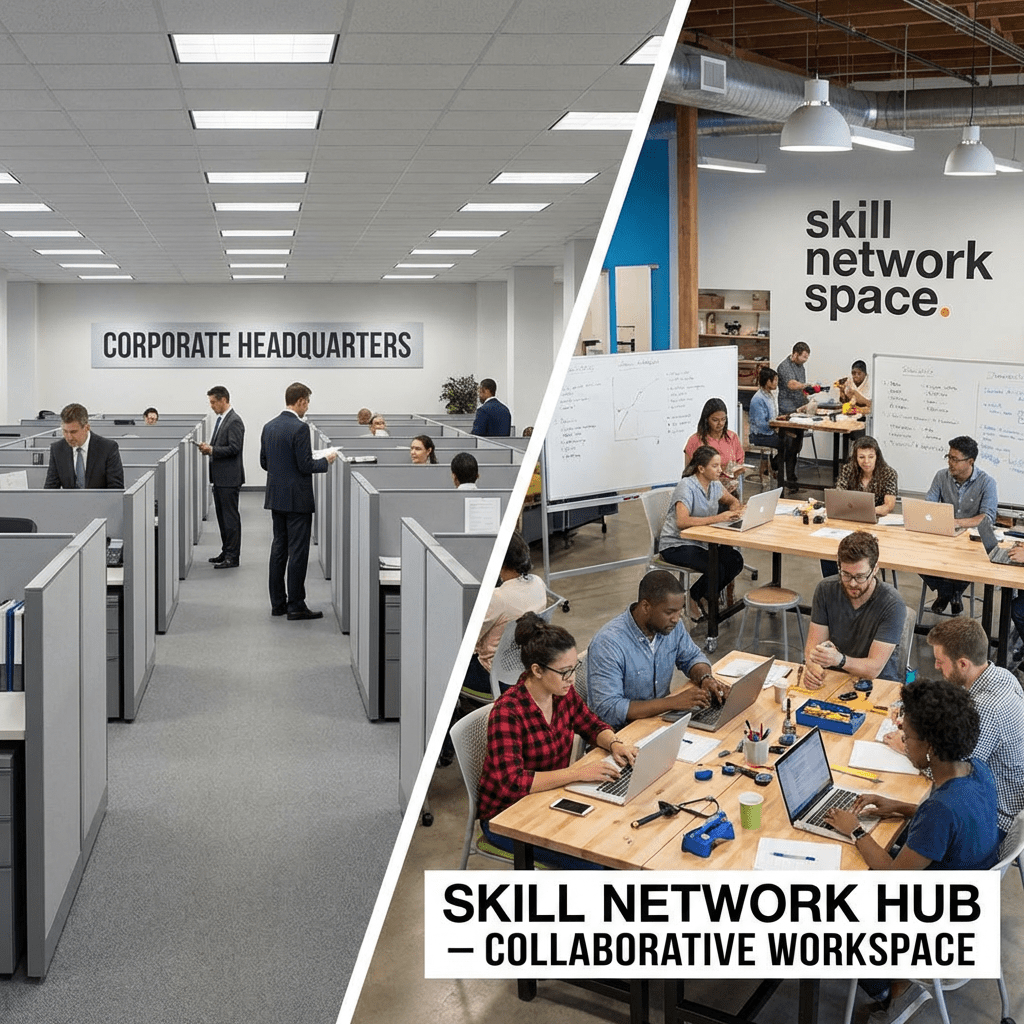
This signals a shift from credential-based hiring to capability-based hiring — where what you can do carries more weight than how your experience is formatted.
Who It Impacts
- Professionals without traditional degrees
- Candidates with non-linear career paths
- Skilled individuals overlooked by automated resume filters
- Companies struggling to find the “right” talent despite large applicant pools
How to Navigate This Shift
- Focus on proof of work, not just descriptions
Show what you’ve built, solved, or contributed to — not just what your role was. - Be ready to demonstrate your thinking
Problem-solving, decision-making, and execution matter more than polished summaries. - Don’t disqualify yourself prematurely
If you have the skill, you may have the opportunity — even without the “traditional” background. - Position your experience with intention
Your value isn’t your job title — it’s the impact behind it. - Continuously build and refine your skillset
A skills-first hiring world rewards those who are actively learning and evolving.
What This Means for Companies
- Resumes may be filtering out the very talent you need
- Degrees don’t always equal capability
- Traditional hiring processes can miss high-potential candidates
Companies that adapt their hiring approach to evaluate skills, thinking, and real-world application will have a stronger advantage in attracting and retaining talent.
The Job Hunt Chronicles’ Takeaway
The hiring landscape is shifting from what looks good on paper to what works in practice. Both professionals and companies that embrace this shift — by focusing on real capability — will be better positioned for the future of work.
🔎 A Better Way Forward
As conversations around skills-based hiring continue to grow, one of the biggest gaps remains:
Where do professionals actually show what they can do?
That’s where Aecendt Global Marketplace comes in.
Instead of relying on resumes alone, Aecendt is designed to help:
- Professionals showcase both hard and soft skills through guided prompts
- Highlight real-world experience and problem-solving ability
- Present non-traditional learning, certifications, and lived expertise
- Allow companies to evaluate talent based on capability and alignment, not just credentials
As the workforce evolves, platforms that support how people actually work — not just how they present on paper — will play a key role in shaping the future of hiring.
👉 Explore a better way of earning and hiring: https://www.aecendt.com/
Stay Ahead of the Headlines
Subscribe to The Job Hunt Chronicles for clear, human-centered updates on jobs, hiring, and the economy — delivered with clarity, not chaos.



Leave a comment