

What Happened
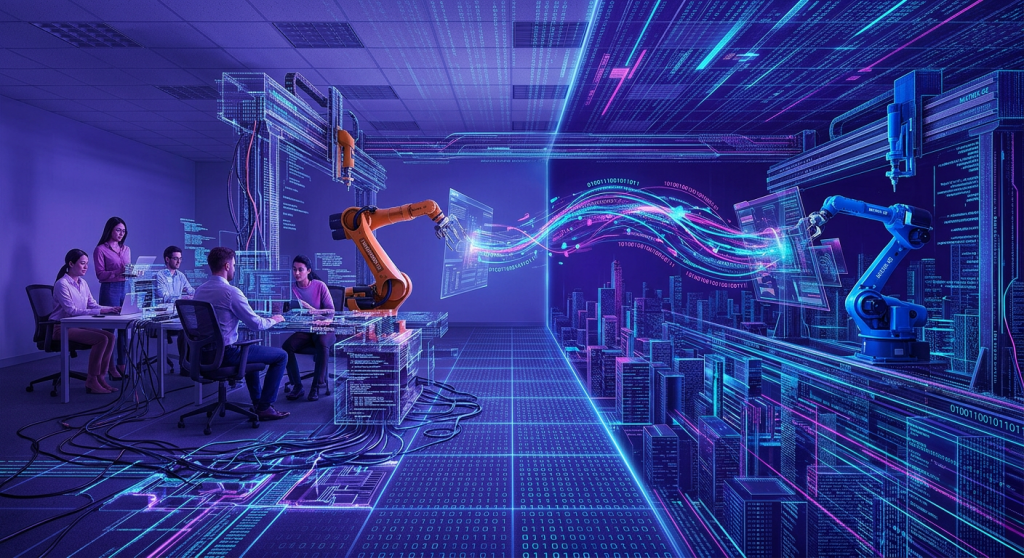
Across industries, companies are rapidly integrating artificial intelligence into daily operations — from customer service and marketing to data analysis and operations. As a result, job requirements are evolving faster than traditional job descriptions can keep up.
Why It Matters
Roles aren’t just being replaced — they’re being redefined. Many positions now require a blend of technical awareness, adaptability, and the ability to work alongside AI tools, even in non-technical roles.
Who It Impacts
- Professionals in administrative, marketing, and operational roles
- Job seekers relying on outdated skill sets
- Individuals unsure how AI applies to their current career
How to Navigate This Shift
- Start with awareness, not fear
You don’t need to master AI overnight — begin by understanding how it’s used in your field. - Learn tools that enhance your role
Identify 1–2 AI tools that can improve your efficiency or output. - Position yourself as adaptable
Employers value those who can evolve alongside technology. - Focus on human + technical balance
Skills like communication, strategy, and decision-making remain critical. - Stay curious and proactive
Continuous learning will be a key differentiator moving forward.
The Job Hunt Chronicles’ Takeaway
AI isn’t just changing jobs — it’s changing how work gets done. Those who learn to work with technology, rather than avoid it, will be better positioned for long-term success.

Stay Ahead of the Headlines
Subscribe to The Job Hunt Chronicles for clear, human-centered updates on jobs, hiring, and the economy — delivered with clarity, not chaos.


Leave a comment